
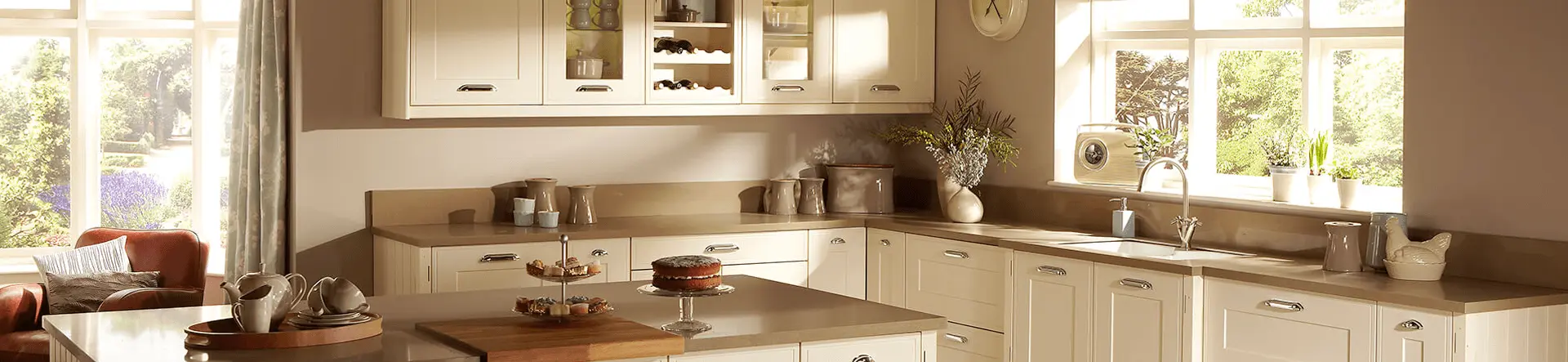
How to Mix Decorative Hardware Finishes

Have you ever thought about mixing hardware finishes in your house? It is true that for some individuals, the concept of mixing finishes may seem daunting at first. Integrating different materials, colors, and textures can appear challenging. However, with some guidance and creativity, this process becomes an exciting opportunity to express your unique style and elevate your living space.
Achieving a well-balanced and beautiful interior design involves understanding the importance of hardware coordination and the art of blending decorative hardware finishes.
Knobs, handles, faucets, and fixtures are not merely functional; they are the excellent finishing touches that transform a room from ordinary to extraordinary. Rather than settling for a monotonous, uniform space, you infuse it with curiosity and the semblance of tactile richness through details. Blending hardware finishes is an art in which colors, textures, and styles unify to compose the perfect living space. In this guide, FUIN Design Hardware will explore the significance of mixing decorative hardware finishes and share tips for creating a harmonious living space.
The Importance of Mixing Decorative Hardware Finishes
In interior design, coordinating decorative hardware finishes is essential in achieving a cohesive and pleasing look. Hardware, such as knobs, handles, faucets, and fixtures, serves both functional and decorative purposes. Mixing hardware finishes strategically enhances the whole design of a space and creates a sense of harmony.
Besides, mixing finishes allows you to create a unique and personalized style for your home. It adds character and depth to your space, making it stand out. Different finishes can highlight various architectural and design elements within a room. They can draw attention to features like cabinetry, lighting, or appliances. When done right, mixing finishes can emphasize specific components, such as a crystal faucet handle in the kitchen or a luxurious door knob in the bathroom. By thoughtfully combining finishes, you have the power to emphasize what truly matters to you within your living spaces.
In essence, the fusion of hardware finishes in interior design is a form of self-expression. So, whether you are embarking on a renovation project or simply seeking to refresh your home's aesthetic, consider the artful practice of mixing finishes. It is a journey of creativity and an exploration of individuality.
Suitable Rooms for Mixing Finishes
When it comes to interior design, the art of mixing finishes is not limited to just one room; it is a creative concept that can be applied throughout your home. Here are some suggestions for suitable rooms where you can explore the magic of finish mixing:
◆ Kitchen:
The kitchen is a prime space for experimenting with finish mixing. Consider combining finishes on cabinet handles, faucets, and lighting fixtures to create an inviting and functional culinary space.
◆ Dining Room:
Mixing finishes in the dining room enhances the atmosphere. Consider combining finishes on dining table hardware, chairs, and decorative elements.
◆ Bathroom:
Mixing finishes on faucets, showerheads, and cabinet hardware in the bathroom can add sophistication and elegance.
◆ Bedroom:
Even in the bedroom, you can experiment with finish mixing by coordinating finishes on furniture handles, lighting, and mirrors to create a stylish retreat.
5 Tips for Decorative Hardware Finish Mixing
1. Choose a Dominant Finish:
To maintain balance, select one finish to dominate the room, comprising approximately 60-75% of the hardware. This dominant finish is the anchor, providing cohesion to the whole aesthetic while allowing the complementary finishes to add character and contrast."
2. Limit to Three Finishes:
While mixing is encouraged, please keep the design uncomplicated by staying with a maximum of three finishes in each space. This limit ensures that your design remains agreeable and beautiful. It makes the finishes complement rather than overwhelm each other.
3. Choose Complementary Contrasts:
Create visual interest by pairing contrasting finishes. For example, combine matte hardware with glossy surfaces for a soft and shiny contrast. Mixing warm-toned and cool-toned finishes can also be pleasing. Finishes with less gloss or sheen integrate more easily than highly polished ones. They are versatile and complement various styles. If contrasting finishes don't align with your vision, consider using similar colors but different textures or sheens for a subtle yet delicate look.
4. Select a Focal Point:
To anchor your design, choose a focal point where a specific finish or piece of hardware stands out. For instance, the entire space can feature matte black hardware with a crystal glass faucet as the centerpiece. Imagine how the rich sparkle of a brass door handle can draw attention to a beautifully crafted door or how the crystal cabinet knobs in your kitchen can accentuate the elegance of your cabinets. When orchestrated with finesse, the mingling of finishes allows you to curate a narrative within your living spaces, each element contributing to the overarching story.
5. Reflect Your Personality and Style:
Let your taste and style guide your finish choices. Mixing finishes is an opportunity to express your creativity and design preferences. Whether you prefer a sleek and modern look, a rustic and vintage aesthetic, or a blend of styles, your hardware finishes can reflect your unique personality.
Conclusion
Incorporating a variety of hardware finishes can enhance your interior design, adding depth, character, and beauty to your living spaces. Properly mixing finishes requires a thoughtful approach, but the results are advantageous.
In summary, mixing hardware finishes in your interior design allows you to create a harmonious yet visually stimulating space. Start with a dominant finish, limit the number of finishes, embrace complementary contrasts, choose a focal point, and most importantly, let your style shine through in your design choices. With these tips, you can achieve a well-balanced and aesthetically pleasing home décor.
If you need decorative hardware or inspiration, do not hesitate to explore FUIN Design Hardware Products, which offer a wide range of finishes and handles. Established in 1977, FUIN is a trusted manufacturer of custom door knobs and decorative hardware in Taiwan. Contact us now for expert guidance and to explore our stunning collections.
About the Author : Follow Us on LinkedIn.